

Turkmenistan Cotton Exports: A Strategic Overview for International Buyers
Turkmenistan cotton exports represent one of the most established and strategically significant pillars of the country’s foreign trade portfolio. With decades of cultivated expertise, state-supported infrastructure modernization, and a commitment to expanding global trade relationships, Turkmenistan’s cotton sector offers B2B buyers a reliable, high-volume source of raw fiber and processed cotton products. This guide breaks down everything an international procurement professional needs to know about sourcing Turkmen cotton in 2025.
The Role of Cotton in Turkmenistan’s Export Economy
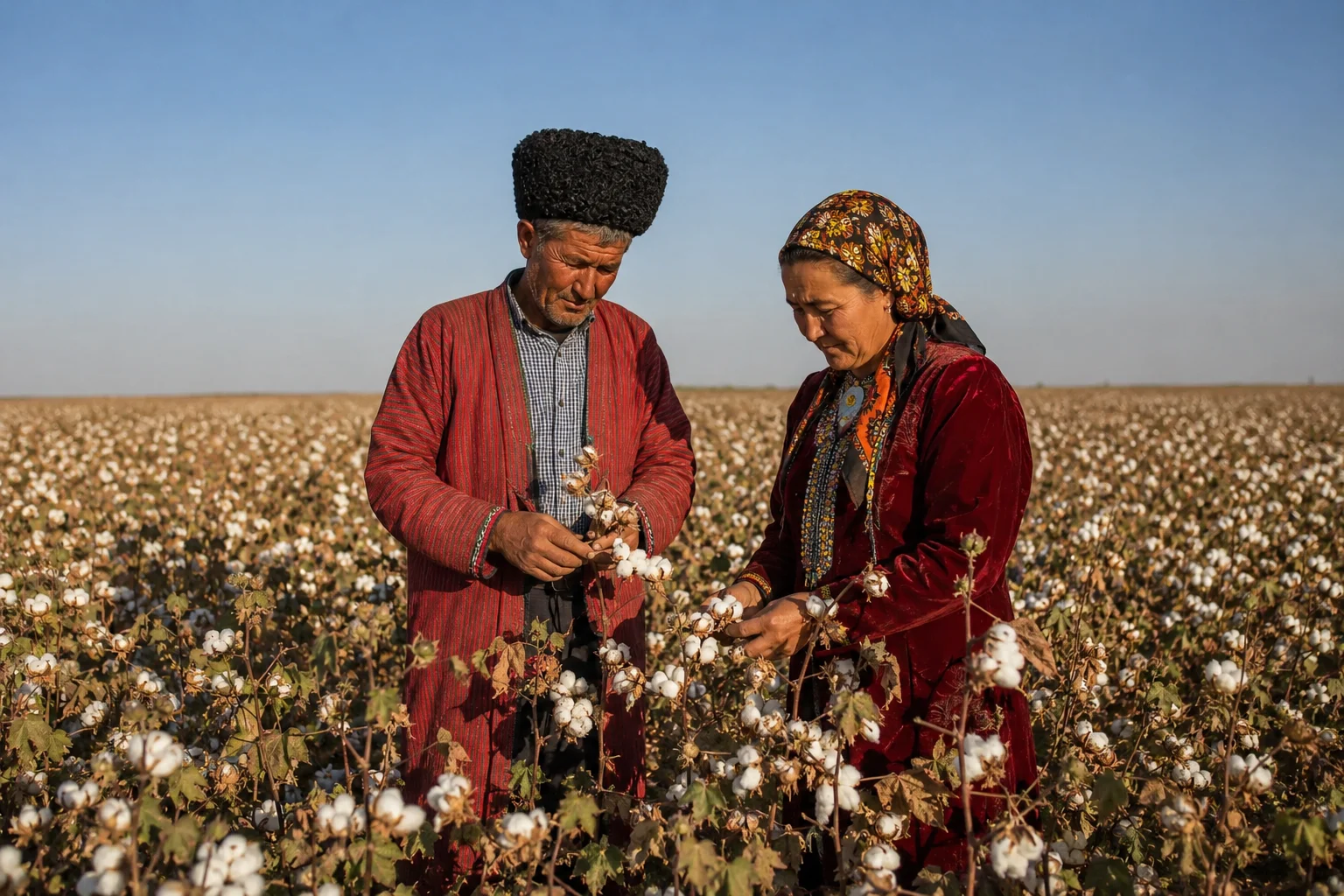
Cotton has been a cornerstone of Turkmenistan’s agricultural identity for generations. Known historically as “white gold,” the crop occupies a central place in the country’s national economic planning, with the government allocating dedicated farmland, irrigation resources, and processing capacity to sustain and grow the sector year on year.
Key macro indicators that define the sector’s importance:
- Cotton and cotton-derived products consistently rank among Turkmenistan’s top non-hydrocarbon export categories
- The country maintains approximately 550,000-600,000 hectares of dedicated cotton farmland, primarily across the Ahal, Mary, Lebap, and Dashoguz provinces
- Turkmenistan is recognized as one of the top 10 cotton-producing nations globally by the Food and Agriculture Organization of the United Nations (FAO)
- State investments in irrigation modernization – including upgrades to the Karakum Canal network – continue to strengthen yield stability and water efficiency
For international buyers, this institutional backing translates into a predictable, government-supported supply chain that reduces procurement risk in volatile global commodity markets.
Cotton Products Exported from Turkmenistan
Turkmenistan’s export offer has evolved significantly. While raw cotton fiber remains the primary export category, the country’s growing textile processing capacity means that buyers can increasingly source value-added cotton derivatives directly.
Raw Cotton Fiber (Ginned Cotton)
- Grade range: Typically falls within internationally recognized grades equivalent to ISO 139 fiber testing standards
- Staple length: Predominantly medium-staple, with a growing proportion of medium-long staple varieties suited for fine yarn production
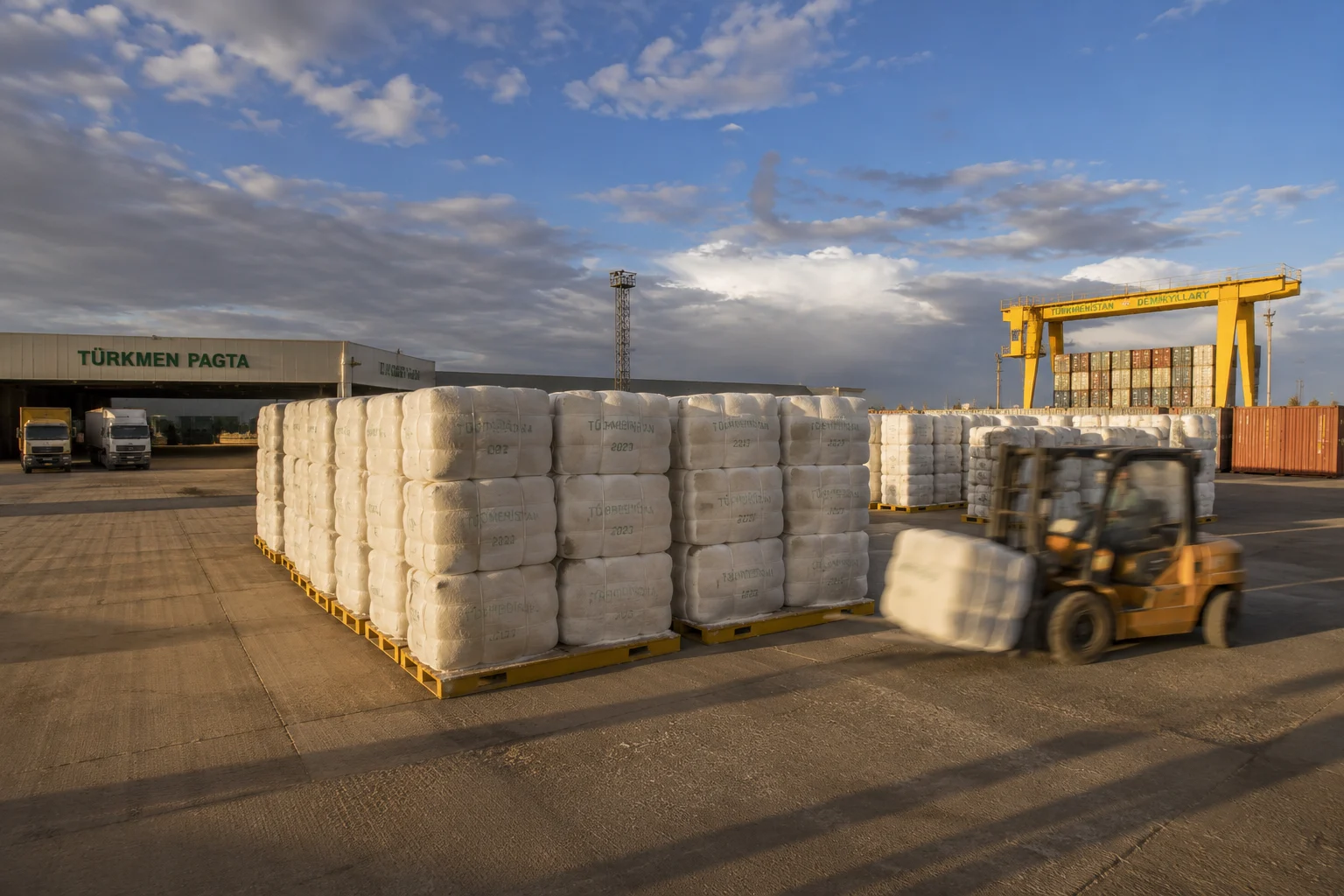
- Packaging: Standard bales of approximately 220-227 kg, strapped and wrapped for ocean freight compatibility
- Primary certifications in progress: Turkmenistan’s state quality agencies have been actively aligning with international cotton classification norms to facilitate smoother customs clearance for buyers in the EU and Asia
Processed Cotton and Semi-Finished Products
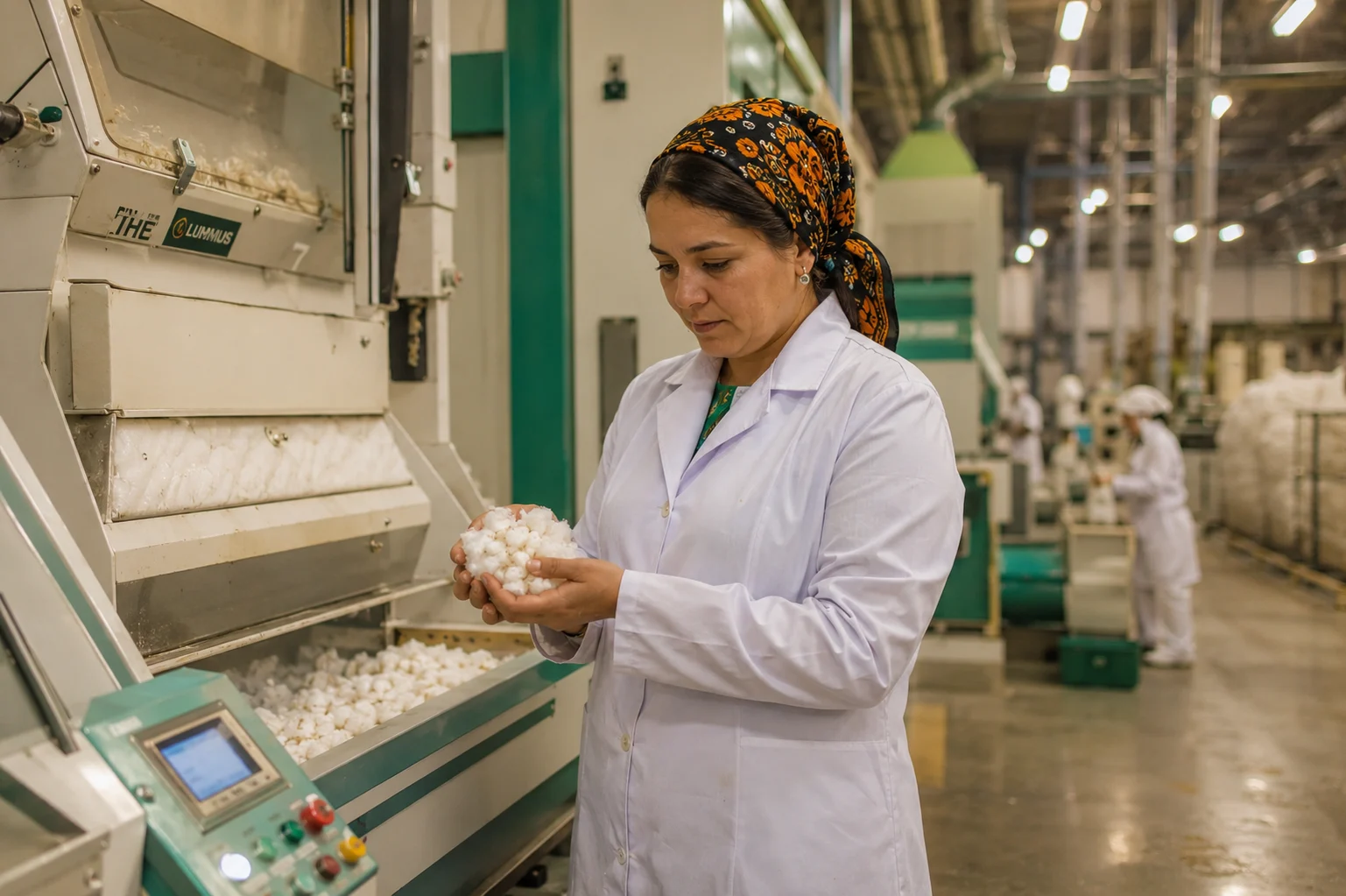
Beyond raw fiber, Turkmenistan’s expanding textile manufacturing base – concentrated in modernized industrial zones – generates export-ready semi-processed goods:
- Cotton yarn (ring-spun and open-end varieties, Ne 6-40 counts)
- Cotton fabric (greige and finished, in widths standard for apparel and technical textile applications)
- Cotton wadding and non-woven materials for medical, furniture, and packaging industries
Cotton Farming and Production: Infrastructure and Innovation
The strength of Turkmenistan cotton exports rests on a well-organized agricultural production system undergoing continuous modernization.
Cultivation Regions and Climate Advantage
Turkmenistan’s continental climate – characterized by intense summer sun, low humidity, and a long growing season – creates near-ideal natural conditions for cotton cultivation. The major producing regions are:
| Region | Key Characteristic |
|---|---|
| Mary Province | Largest cotton-producing region; advanced irrigation infrastructure |
| Lebap Province | Strong yields from Amu Darya basin irrigation |
| Ahal Province | Proximity to processing facilities and logistics hubs |
| Dashoguz Province | Active expansion of modernized farming cooperatives |
State-Supported Agricultural Modernization
The Government of Turkmenistan has pursued an ambitious program of agricultural investment, with notable milestones including:
- Introduction of precision irrigation technology and drip systems to reduce water usage per hectare
- Distribution of modern harvesting and ginning equipment to state farming enterprises
- Expansion of the agricultural extension network, providing farmers with access to improved seed varieties bred for higher fiber quality and disease resistance
- Development of the Turkmen Agricultural University research pipeline to produce domestically trained agronomists focused on sustainable cotton production
These initiatives reflect a forward-looking approach that directly benefits B2B buyers seeking supply chain resilience and consistent product quality.
Turkmenistan Cotton Export Partners and Trade Channels
Turkmenistan cotton exports flow to a diverse and growing list of global partners. The country’s strategic geographic position at the crossroads of Asia and Europe makes it a natural supplier for multiple key textile manufacturing hubs.
Primary Destination Markets
- China – The dominant buyer of Turkmen raw cotton fiber, leveraging established bilateral trade agreements and direct rail and road logistics corridors
- Russia – A longstanding partner for both raw fiber and processed cotton goods, with simplified customs procedures under the CIS trade framework
- Turkey – A key buyer of Turkmen cotton yarn and fabric for integration into Turkish textile manufacturing and re-export
- South and Southeast Asia – Growing interest from buyers in Bangladesh, Pakistan, and Indonesia, driven by the competitive pricing of Turkmen medium-staple cotton relative to West African or US origins
- European markets – Engagement is growing through intermediary traders and commodity exchanges, with direct trade relationships expanding as certification alignment progresses
Trade Channels and Procurement Pathways
International buyers typically access Turkmenistan cotton exports through several established channels:
- State trading entities – Government-authorized export agencies remain the primary formal channel for large-volume raw cotton procurement
- Registered private trading companies – A growing segment of licensed private exporters facilitates mid-volume and specialty product orders
- International commodity brokers – Major cotton trading houses active in Central Asian origins often carry Turkmen positions
- Direct mill-to-buyer contracts – For processed cotton products (yarn, fabric), direct factory agreements are increasingly available through Turkmenistan’s industrial zone enterprises
Cotton Export Industry: Future Trends and Strategic Opportunities
The trajectory of Turkmenistan cotton exports points toward higher value-added production, stronger certification frameworks, and deeper regional integration – all of which create compelling opportunities for forward-thinking B2B buyers. Recently, this trend has been gaining momentum in the private sector.
Value Chain Upgrading
The government’s long-term industrial strategy prioritizes domestic processing of cotton fiber into yarn, fabric, and finished garments before export. This creates opportunities for buyers seeking:
- Vertically integrated sourcing from a single origin
- Lower total landed cost compared to sourcing fiber and processing separately
- Flexible private label manufacturing in Turkmenistan’s growing free economic zones
Certification and Compliance Modernization
Turkmenistan is actively progressing toward broader international certification coverage for its cotton sector, including:
- Expanded adoption of internationally recognized fiber testing protocols (HVI – High Volume Instrument testing)
- Engagement with global sustainability frameworks relevant to cotton supply chains
- Streamlining of phytosanitary and export documentation processes as part of the country’s broader trade digitalization agenda
Regional Connectivity as a Competitive Advantage
Infrastructure investments under the framework of the Trans-Caspian International Transport Route (TITR) and the ongoing development of the Ashgabat Agreement corridor are progressively reducing transit times and costs for cotton exports to European and East Asian markets – a decisive factor for time-sensitive textile supply chains.